June 24, 2026
Outdoor lighting has evolved far beyond simple fixtures that turn on at night. Today, homeowners are looking for solutions that enhance both the functionality and appearance of their properties while providing long-term reliability. A well-designed system can transform how a home looks after dark, creating a welcoming atmosphere and improving visibility across key areas. As these systems become more advanced, understanding what makes them effective is more important than ever. Thoughtful placement and design can also highlight landscaping features, adding another layer of visual appeal to your outdoor space.
That’s where permanent lighting installation stands out as a long-term solution. Unlike temporary setups, these systems are designed to remain in place year-round, offering consistent performance and convenience. Choosing the right features ensures that your lighting not only looks great but also continues to perform reliably over time. With thoughtful planning, homeowners can create a lighting system that complements their home while meeting practical needs.
According to LawnStarter, professionally installed outdoor lighting systems can last up to 15 years when they are properly maintained. This long lifespan highlights the importance of selecting quality materials and thoughtful designs from the start. When done correctly, these systems become a lasting investment that enhances both property value and everyday use. A longer lifespan also means fewer replacements, contributing to overall cost efficiency over time.
We’ve seen how the right design choices can make a significant difference in both performance and appearance. From durability to customization, every feature plays a role in the final result. Here are eight key features to look for when evaluating a permanent lighting installation for your home.
1. Durable and Weather-Resistant Materials
Choosing High-Quality Components
Outdoor lighting systems are constantly exposed to the elements. Rain, snow, and sunlight can all affect performance over time. A permanent lighting installation should use materials that are built to withstand these conditions without deteriorating quickly. High-quality construction helps ensure that the system maintains its strength even under challenging conditions.
Resisting Corrosion and Wear
Corrosion can weaken fixtures and reduce effectiveness. Selecting materials designed to resist rust and wear helps maintain consistent performance. This added durability also reduces the need for frequent replacements.
Maintaining Appearance Over Time
Durable materials also help preserve the visual appeal of the lighting system. This ensures that your home continues to look well-maintained. Consistent appearance contributes to overall curb appeal and property value.
Supporting Long-Term Reliability
Strong construction contributes to a system that performs consistently year after year, reducing the need for frequent replacements. Reliable materials also support dependable operation during changing weather conditions.
Durability is one of the most important factors in any lighting installation, ensuring it continues to perform in changing weather conditions. Investing in quality materials from the beginning helps create a system that lasts.
2. Customizable Lighting Options
Adjusting Color and Brightness
Modern systems often allow homeowners to adjust lighting colors and intensity. This flexibility makes it possible to create different moods for various occasions. It also allows for quick adjustments without requiring additional equipment.
Creating Seasonal Displays
Customizable lighting makes it easy to adapt your setup for holidays and special events without additional installations. This reduces the need for temporary lighting solutions.
Matching Architectural Features
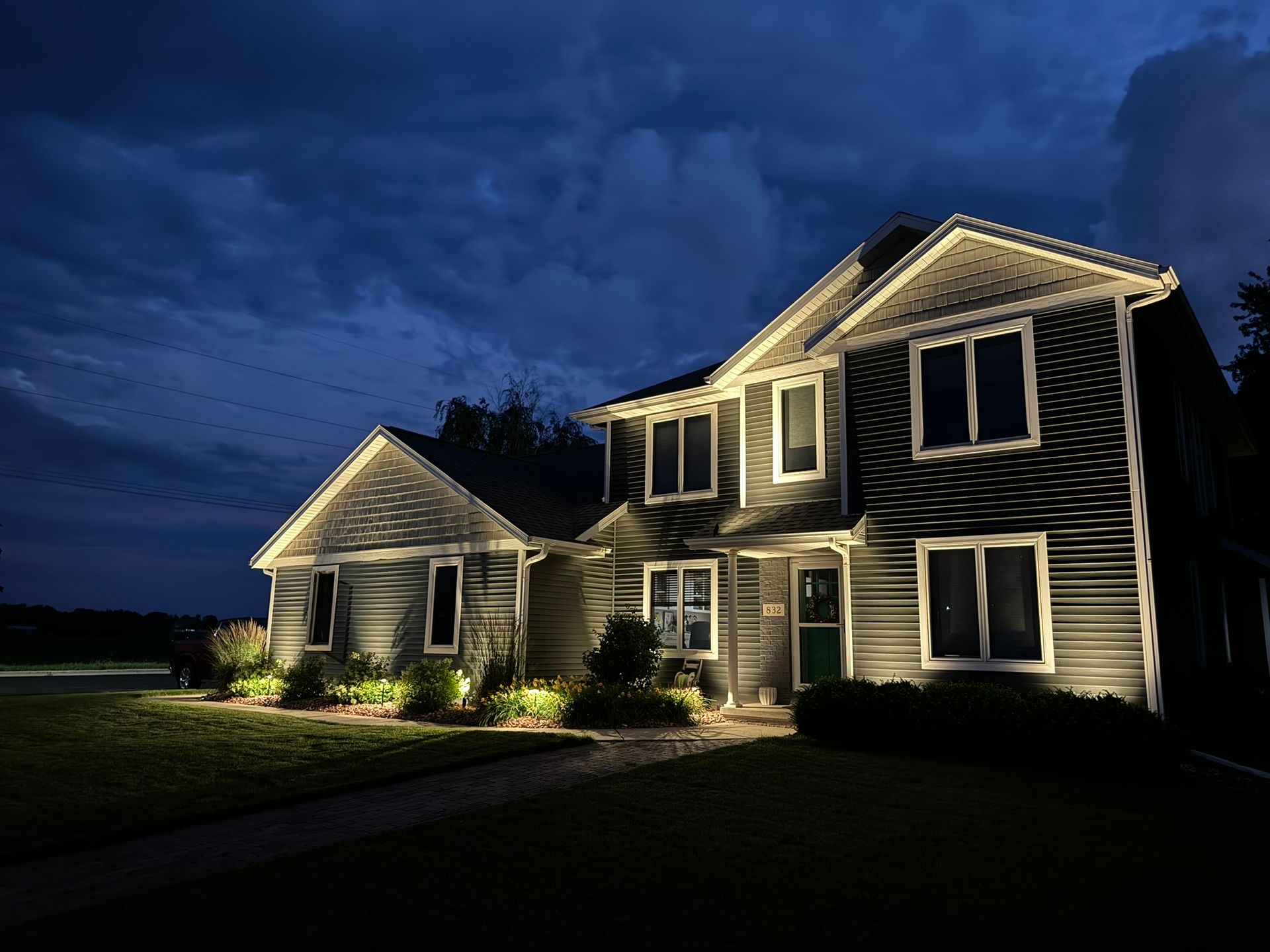
Lighting can be tailored to highlight specific design elements of your home, enhancing its overall appearance. Strategic placement helps emphasize key features.
Supporting Personal Preferences
Customization allows homeowners to create a lighting experience that reflects their unique style and needs. This makes the system more versatile over time.
Flexibility is a key advantage of permanent lighting installation, allowing your system to evolve with your preferences. This adaptability makes it suitable for a wide range of uses.
3. Energy-Efficient Technology
Using LED Lighting
LED technology is widely used for its efficiency and longevity. It consumes less energy while providing consistent illumination. This makes it a reliable option for long-term use.
Reducing Energy Consumption
Efficient systems help lower electricity usage, making them more cost-effective over time. This contributes to reduced utility expenses.
Maintaining Brightness Consistency
Energy-efficient lighting maintains consistent brightness without frequent replacements. This helps ensure dependable performance.
Supporting Sustainable Practices
Lower energy usage contributes to more environmentally conscious home improvements. This supports long-term sustainability goals.
Efficiency is an important consideration in any permanent lighting installation, helping homeowners balance performance with long-term cost savings. Over time, these savings can become significant.
4. Seamless Integration With Home Design
Blending With Exterior Features
Lighting should complement your home’s architecture rather than stand out unnecessarily. This helps maintain a cohesive design.
Maintaining Clean Installation Lines
Hidden wiring and subtle placement create a polished and professional appearance. This attention to detail enhances overall aesthetics.
Enhancing Curb Appeal
Well-integrated lighting adds to the overall visual appeal of your property. It creates a more inviting atmosphere after dark.
Supporting Consistent Design Themes
A cohesive design ensures that all elements of your home work together visually. This contributes to a unified appearance.
A well-integrated permanent lighting installation enhances both form and function without disrupting the home’s aesthetic. This balance is key to achieving the desired look.
5. Smart Control and Automation Features
Using Remote Access Controls
Smart systems allow homeowners to control lighting from mobile devices or remote controls. This provides added convenience.
Scheduling Lighting Patterns
Automation features make it easy to set schedules for when lights turn on and off. This helps maintain consistency.
Adjusting Settings Easily
Convenient controls allow for quick changes without manual adjustments. This improves overall usability.
Enhancing Daily Convenience
Smart technology simplifies how lighting is managed, improving overall usability. It also allows for greater flexibility.
Automation adds convenience to permanent lighting installation, making it easier to maintain consistent performance. These features also help streamline everyday use.
6. Professional Installation Quality
Ensuring Proper Placement
Correct positioning is essential for achieving the desired lighting effect. Proper placement ensures balanced illumination.
Securing Reliable Connections
Proper wiring ensures that the system functions safely and consistently. This reduces the risk of malfunctions.
Avoiding Common Installation Issues
Professional installation helps prevent problems that could affect performance. This leads to more dependable results.
Supporting Long-Term Performance
Quality installation contributes to the overall reliability of the system. It also supports consistent operation over time.
Professional work is a key factor in achieving a successful permanent lighting installation that performs as expected. Proper installation helps maximize the benefits of the system.
7. Low Maintenance Requirements
Reducing Frequent Adjustments
Well-designed systems require minimal ongoing maintenance. This makes them easier to manage.
Using Durable Fixtures
High-quality components reduce the need for repairs or replacements. This contributes to long-term reliability.
Maintaining Consistent Performance
Reliable systems continue to function effectively without frequent intervention. This improves overall convenience.
Supporting Long-Term Convenience
Low maintenance allows homeowners to enjoy their lighting without added effort. This makes the system more practical.
Ease of maintenance is another benefit of lighting installation, helping homeowners save time and effort. This makes it a convenient long-term solution.
8. Consistent Year-Round Functionality
Operating in All Seasons
Permanent systems are designed to function reliably throughout the year. This ensures consistent performance.
Adapting to Weather Changes
Quality designs account for seasonal variations in climate. This helps maintain durability.
Providing Reliable Illumination
Consistent lighting improves visibility and enhances safety. This is especially important for outdoor areas.
Supporting Everyday Use
Year-round functionality ensures that lighting remains a dependable feature of your home. This adds to its practicality.
Consistency is essential in any permanent lighting installation, providing dependable performance regardless of the season. This reliability makes it a valuable addition to any home.
Choosing the right lighting system involves more than selecting fixtures. It requires careful consideration of materials, design, and functionality to ensure long-term performance. Each feature contributes to a system that enhances both appearance and usability. Taking the time to evaluate these elements helps create a more effective and lasting result.
By focusing on these key elements, homeowners can create a lighting setup that meets their needs while adding lasting value to their property. From durability to customization, every detail plays a role in achieving the desired outcome. A well-planned system offers both immediate and long-term benefits.
If you’re ready to upgrade your home with a high-quality lighting solution, contact Lang Lighting and Decor, LLC today to explore options that deliver both style and performance.