November 3, 2026
Your outdoor living space is a carefully cultivated sanctuary that deserves admiration long after the sun dips below the horizon. Many homeowners spend countless hours tending to flower beds, pruning majestic trees, and designing beautiful yard layouts, only to have all that hard work disappear into the shadows at nightfall. That is where a well-designed illumination plan comes into play. By integrating professional landscape lighting, you completely transform the atmosphere of your property, taking it from a dark, uninviting expanse to a captivating nighttime retreat. When you pick the right fixtures, you breathe new life into every leaf and blossom. It is not just about making your yard visible; it is about creating depth, defining spaces, and drawing the eye to the exquisite elements of your exterior environment. From towering oaks to delicate shrubs, the right approach will showcase the natural beauty of your property in a new dimension, ensuring your yard remains a stunning visual masterpiece no matter the hour. In this comprehensive guide, we will explore six brilliant strategies to illuminate your favorite natural features.
1. Embrace Uplighting to Showcase Large Tree Canopies
When it comes to making a bold statement, uplighting is an effective technique. This method involves placing fixtures at the base of a tree and directing the beam upward. By doing this, you capture the intricate details of the trunk and the expansive reach of the canopy overhead. It is ideal for drawing attention to mature trees with interesting bark textures, such as oaks or weeping willows. The contrast between the bright foliage and the night sky creates a dramatic effect that instantly boosts curb appeal. Integrating this method into your overall landscape lighting design adds vertical depth, making your yard feel larger. Placing fixtures at ground level to shine upward is a foundational step in any professional outdoor design.
2. Install Down Lighting to Create a Gentle Moonlit Effect
If you prefer a softer ambiance, down lighting is a fantastic option that mimics the glow of the moon. Unlike fixtures aimed upward, this technique requires mounting lights high up within the branches of a large tree, then angling the beams downward through the leaves. As the light filters through the foliage, it casts beautiful, dappled shadows on the ground below. Often referred to as moonlighting, it creates a highly romantic atmosphere in your garden spaces. This gentle wash of illumination is perfect for highlighting flower beds situated directly beneath a large tree or for softly brightening a cozy outdoor seating area. When implementing downlighting, it is essential to conceal the fixtures and wiring. A thoughtful landscape lighting setup will seamlessly blend these elevated fixtures into the environment, offering an inviting radiance that encourages you to linger outdoors into the evening.
3. Use Pathway Lighting to Define Garden Edges and Walkways
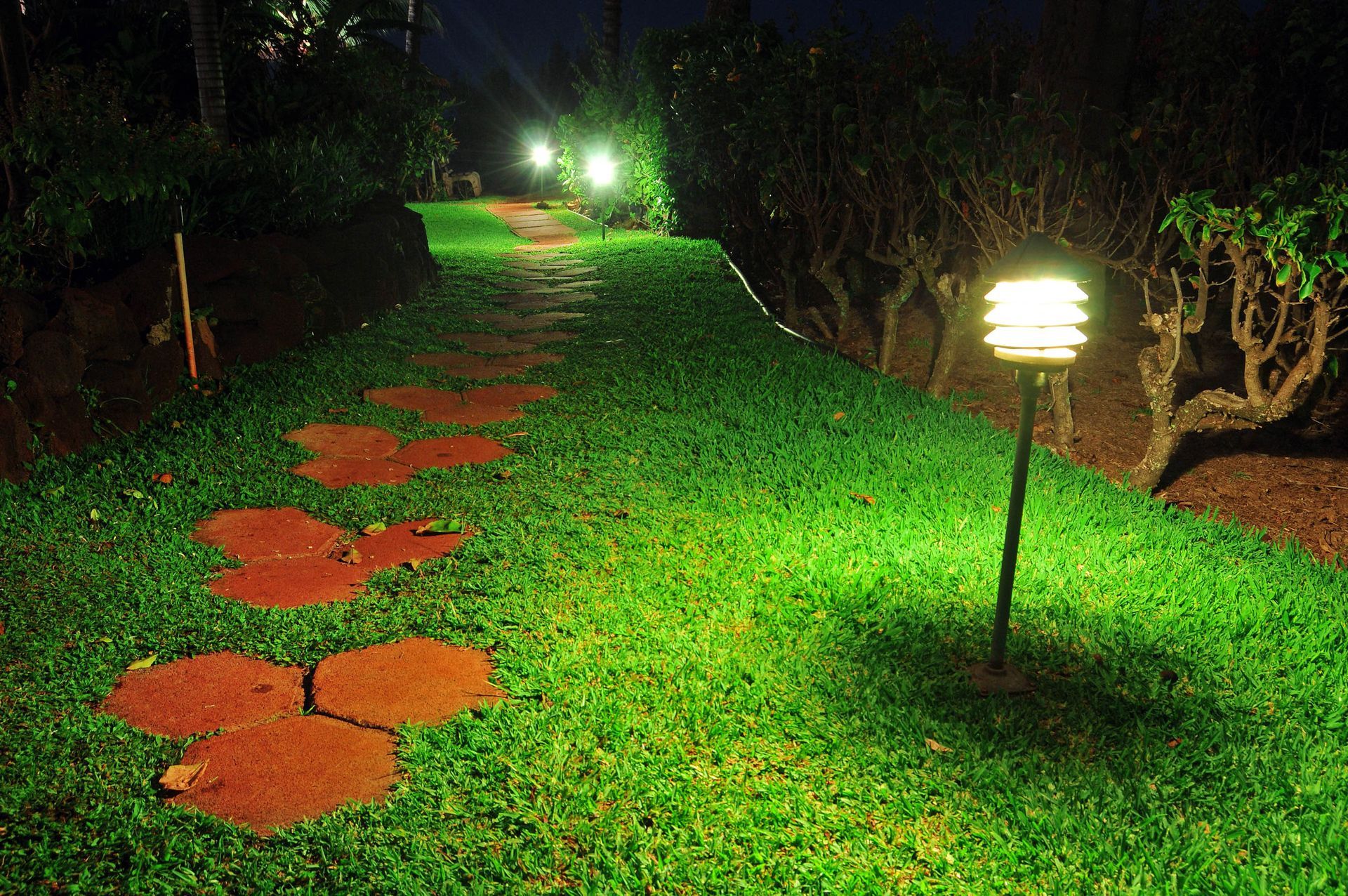
Navigating your yard at night should never be a guessing game, and pathway lighting ensures that every step is clear. While these fixtures are highly functional for safety, they also play a crucial role in highlighting low-lying features. By staggering low-voltage lighting fixtures along the borders of walkways, you beautifully frame your flower beds. The gentle pools of illumination cast by path lights draw the eye along a continuous line, leading guests through the charming parts of your property. This technique prevents visitors from trampling delicate plants while showcasing the vibrant colors of your ground cover. When carefully placed, they provide a warm, welcoming glow that ties your entire yard together. Integrating pathway fixtures into your comprehensive landscape lighting strategy enhances the structural layout of your garden, making it feel organized and endlessly welcoming after dark.
4. Incorporate Accent Lighting to Draw Attention to Special Foliage
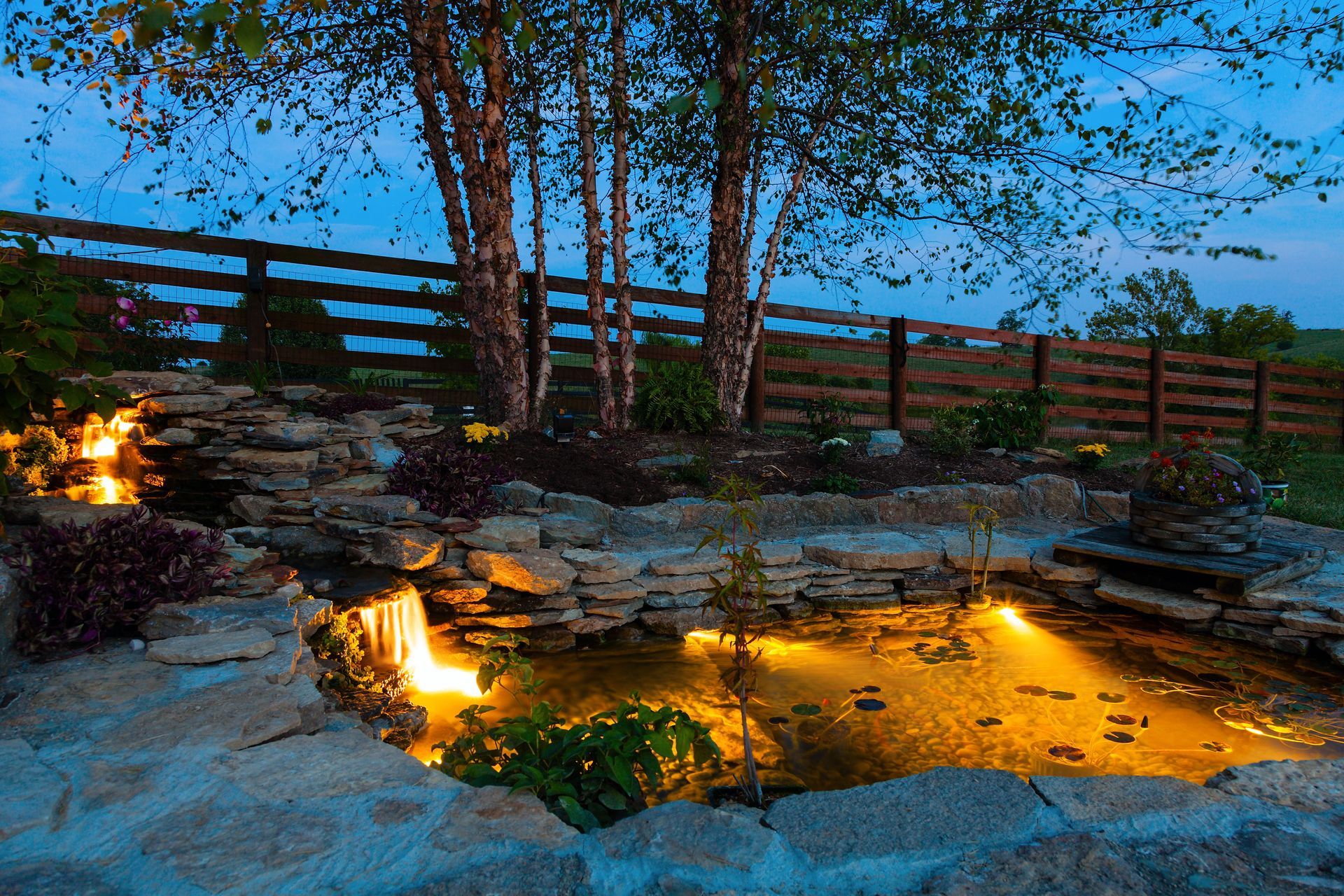
Every garden has a few standout elements that deserve the spotlight. Whether it is a rare Japanese maple, a topiary, or a water feature, accent lighting makes these focal points shine. This technique utilizes focused beams to concentrate illumination on a specific object, ensuring it stands out against the darker surroundings. By keeping the background relatively dim, the illuminated feature instantly becomes the star of the show. You can play with different angles and intensities to highlight the unique characteristics of the plant. You can also incorporate outdoor audio installations, such as disguised rock speakers, near these illuminated features to create a multi-sensory experience. By drawing the eye directly to your favorite elements, a custom landscape lighting plan allows you to curate exactly what visitors notice first, ensuring your yard is always stunning.
5. Apply Shadowing and Silhouetting for Dramatic Visual Effects
If you want to add artistic flair to your yard, shadowing and silhouetting are two distinct exterior lighting techniques that use the interplay of light and darkness to create captivating visuals. Shadowing involves placing a fixture directly in front of a plant and aiming the beam at an adjacent solid surface. This projects a magnified, dancing shadow of the foliage onto the backdrop, adding movement whenever the wind blows. Silhouetting requires placing the fixture behind the plant and aiming it directly at the wall behind it. This washes the wall in a bright glow while leaving the plant itself entirely dark, resulting in a crisp outline of its shape. Implementing these techniques into your landscape lighting arrangement transforms your garden into a living canvas, emphasizing the architectural geometry of your plants and adding sophisticated drama to your outdoor environment.
6. Choose Low-Voltage Lighting for Efficiency and Plant Health
When designing an illumination plan for delicate garden beds, the type of power and fixtures you use is as important as where you place them. Low-voltage lighting is the industry standard for outdoor applications, and for good reason. These systems operate on twelve volts of electricity, making them incredibly safe to install around wet garden environments. Because they generate significantly less heat than traditional bulbs, you can place them much closer to sensitive flowers without the risk of scorching the leaves. This allows for precise illumination of your favorite ground-level plants. Furthermore, these energy-efficient systems consume a fraction of the electricity compared to traditional setups, keeping your utility bills manageable. They are highly durable and capable of withstanding harsh weather conditions. To maximize the longevity of your investment, rely on expert installation. According to LawnStarter, a professionally installed outdoor illumination system can remain functional for up to 15 years when properly maintained.
Transforming your yard into a mesmerizing nighttime oasis requires more than placing a few random bulbs in the dirt. It demands a thoughtful combination of techniques, from the dramatic reach of uplighting to the gentle subtlety of moonlighting. By defining your borders with pathway fixtures, highlighting focal points with accent beams, and playing with artistic shadows, you completely redefine how your property is experienced after dark. Choosing safe, efficient systems ensures that your plants remain healthy while your energy costs stay low. When every element is perfectly balanced, your exterior space becomes an elegant extension of your home, ready to be enjoyed during quiet evenings or festive gatherings. Bringing these concepts to life requires precision, high-quality materials, and an expert eye for design. A well-executed landscape lighting plan will boost your curb appeal and increase the safety and security of your property for years to come. If you are ready to illuminate your garden features, reach out to Lang Lighting and Decor LLC.